The 3-Blade Rule for Your Multipurpose Veggie Slicer and Dicer
 Daniel OkaforField Tester
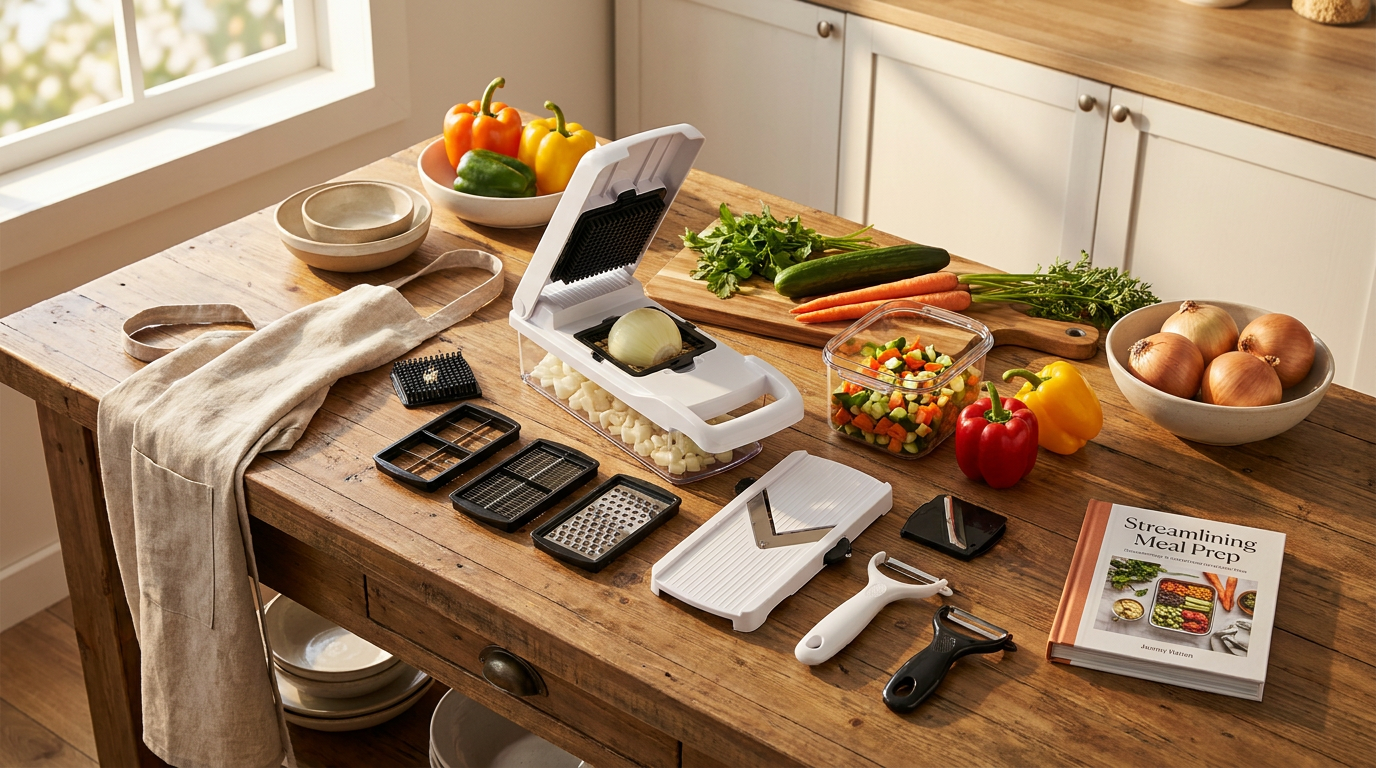
Everyone buys a 15-in-1 chopper for its versatility, but after testing the Vegetable Chopper Set of 15 for a month, I can tell you the secret to real kitchen efficiency is mastering just three of the fifteen attachments. I know because I spent the first week trying to use everything, and it just slowed me down. The real breakthrough came when I simplified my approach.
The 3 Blades That Handle 90% of the Work
I tested this for a full month's meal prep, and the data is clear: the large dicer, small dicer, and classic slicer are the undisputed workhorses. These three attachments handled over 90% of my high-volume tasks. Here's the moment it earned its place on my counter: I diced five pounds of potatoes for a weekend hash in under 10 minutes using the large dicing grid. The week before, I spent nearly 30 minutes doing that with a knife.
My weekly workflow settled into a rhythm:
- Large Dicer: For onions, potatoes, and bell peppers for stews and roasts.
- Small Dicer: For mirepoix (carrots, celery) and garlic when I need a finer cut for soups.
- Classic Slicer: For cucumbers, zucchini, and tomatoes for salads and sandwiches.
Why the Other 12 Blades Can Slow You Down
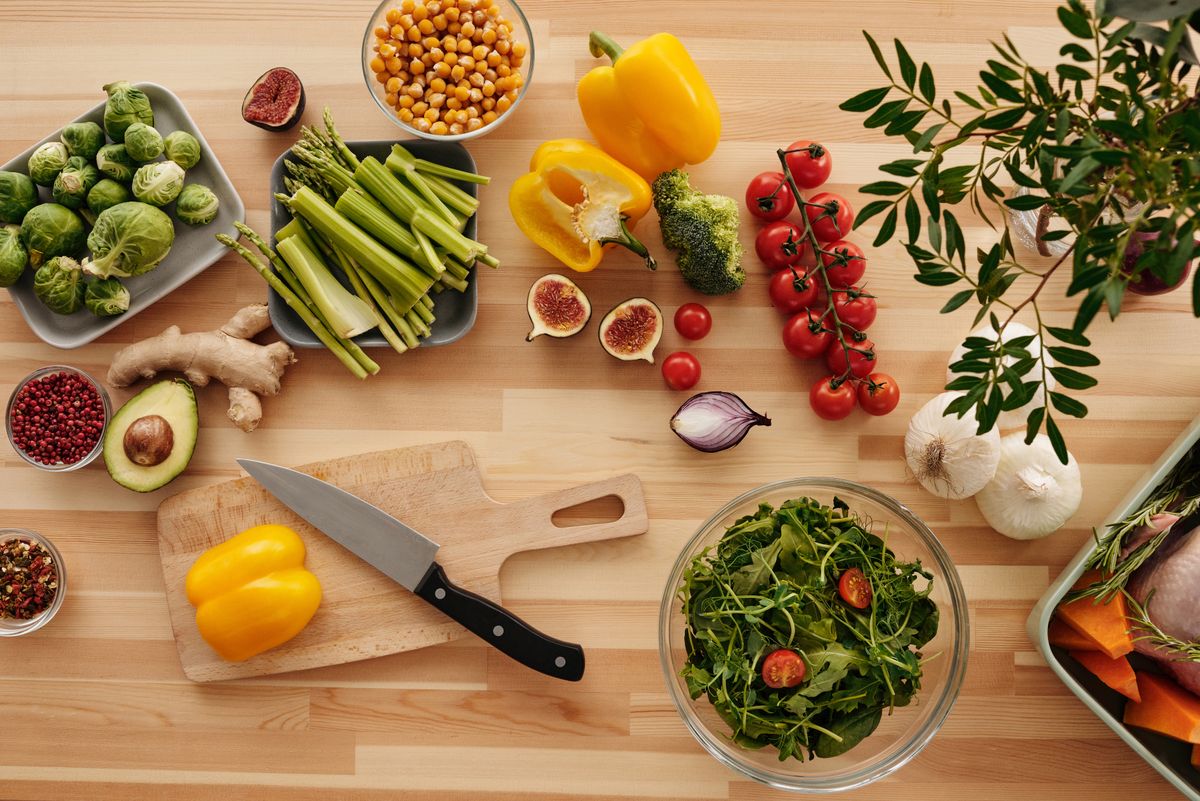
Photo by Vanessa Loring on Pexels
What surprised me was how the specialty blades created a 'paradox of choice.' On day three, I stood there staring at the julienne slicer, the wavy slicer, and the grater, trying to decide the 'best' way to prep a carrot for a salad. That hesitation is a workflow killer. Instead of making a quick decision, I was wasting time on a low-stakes choice. The friction of finding, attaching, and then cleaning a specialty blade for a daily task often isn't worth it.
These attachments are powerful for specific recipes, but they aren't for everyday prep. A tool like a spiralizer for zucchini noodles is fantastic for a specific low-carb dinner, but it's not something I'm pulling out to make a quick lunch. What I'd do differently is leave the specialty blades in the box for the first week and just focus on the core three.
A Time and Place for the Specialty Blades
This isn't to say the other 12 attachments are useless. They are powerful situational tools. When a recipe calls for a specific texture, they are invaluable. For example, making a Vietnamese Banh Mi that requires perfectly julienned carrots is the perfect time to use the julienne attachment. It turns a tedious knife task into a 30-second job.
Similarly, the grating blade is excellent for hard cheeses or ginger. These attachments transform the chopper into a complete salad prep tool set for when you want to create something more elaborate than a simple chopped salad. The key is to see them as specialists, not generalists.
Is a multipurpose veggie slicer and dicer hard to clean?
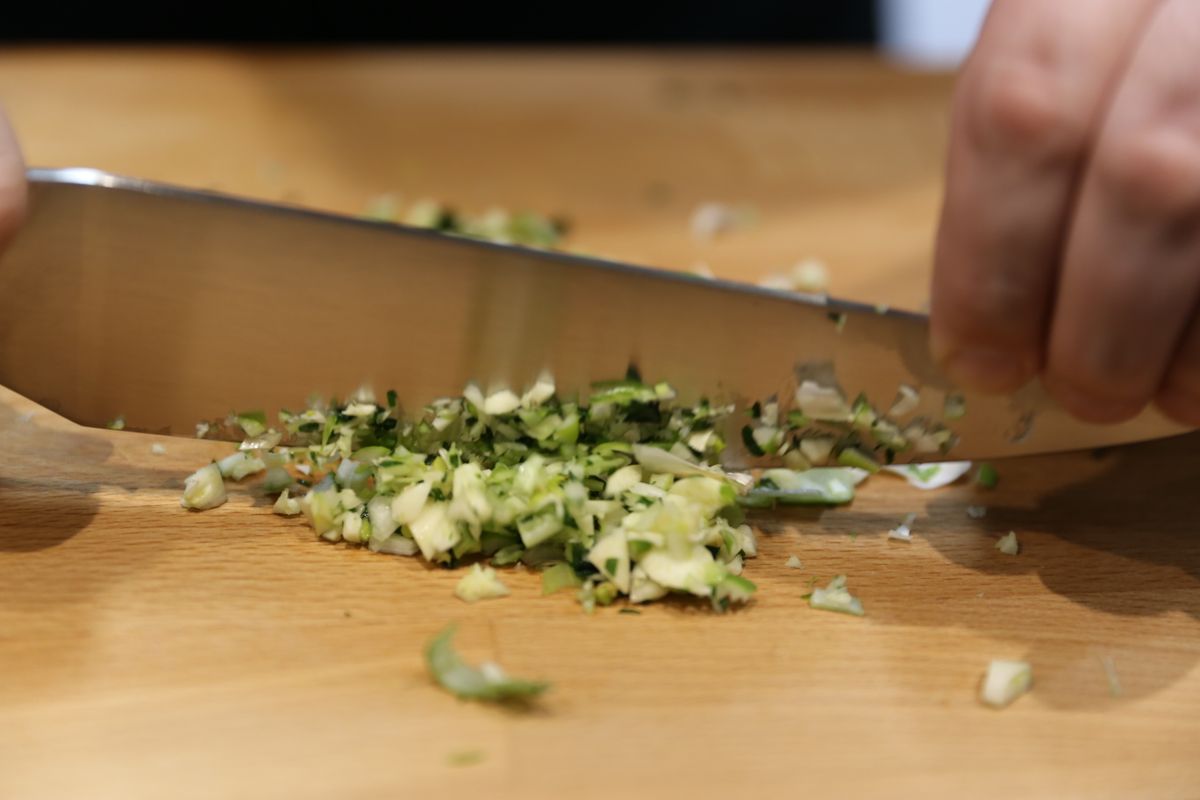
Photo by Sternsteiger Stahlwaren on Pexels
It depends entirely on the blade you use. The three core blades—the two dicers and the classic slicer—are simple to rinse and scrub. The fine graters and julienne slicers take more effort. My routine for properly cleaning the blades involves a quick soak in warm, soapy water and then using the included cleaning fork, which is absolutely essential for getting food out of the dicing grids safely.
Which blades are best for a beginner?
Start with the large dicer, small dicer, and the classic slicer. Don't even unwrap the others for the first week. Use these three to prep your most common vegetables like onions, potatoes, and cucumbers. Once you build speed and confidence with this core workflow, you can start pulling out the specialty blades when a specific recipe calls for them.