What Safety and Maintenance Features Should You Look for in a Veggie Chopper?
Picture pressing down hard on a stubborn onion, only for the unit to slip and expose your fingers to razor blades. To avoid this, select a vegetable chopper equipped with a dedicated mechanical safety lock system, a full-perimeter non-skid rubber base, an ergonomic food pusher hand guard, rustproof 420 stainless steel blades, and a custom grid-cleaning claw. These five features eliminate slippage, protect fingertips, and prevent food debris from rusting the blade frame.
Which Chopper Safety Profile Matches Your Kitchen Needs?
When choosing a manual vegetable chopper, prioritize structural safety mechanisms (push-button locks and rubberized non-slip bases) alongside maintenance-friendly engineering (420 rustproof stainless steel and dedicated grid cleaning scrapers).
Best choice for
- 15-in-1 Catch Container Chopper with Lock Latches — Large enclosed catch trays prevent loose produce from cluttering counters, while lid safety locks prevent the pressing hinge from twisting out of alignment under continuous force.
- Multi-Blade Mandoline & Chopper Combo with Hand Guard — Swappable insert grids allow instant transitions from dicing onions to julienning potatoes without ever exposing bare hands directly to exposed blade edges.
- Leveraged Press Chopper with Full Rubber Footing — A weighted mechanical lid lever combined with a high-friction rubberized base reduces the downward force required to push firm vegetables through fine dicing grids.
- Choppers without a physical blade-locking latch mechanism between the lid frame and catch container.
- Units constructed with unrated steel alloys that rust after exposure to acidic tomato or onion juices.
- Open mandoline boards that lack a pronged food pusher hand guard.
- Electric Mini Food Processors — Faster for purees, but lacks the uniform dicing geometry, crisp texture preservation, and simple tap-water cleanability of a manual grid chopper.
Safety & Maintenance Feature Evaluation Matrix
Photo by Anna Shvets on Pexels
| Feature Parameter | Basic Press Chopper | Standard Open Mandoline | 15-in-1 Container Multi-Chopper |
| --- | --- | --- | --- |
| Blade Lock Mechanism | None (Friction Fit) | None (Exposed Track) | Mechanical Side Latches & Push Lock |
| Fingertip Protection | Small Top Plunger | Optional Plastic Guard | Full Ergonomic Pronged Hand Guard |
| Countertop Stability | Narrow Plastic Ring | Bare Plastic Legs | Full-Perimeter Non-Skid Rubber Base |
| Blade Steel Grade | Standard 301/410 Steel | 304 Stainless Steel | 420 Rustproof Stainless Steel |
| Cleaning Accessibility | Manual Sponge Only | Hand Wash Under Tap | Included Tooth Claw + Brush (Top-Rack Safe) |
| Blade Insert Storage | Loose in Drawer | Fixed Plate | Dedicated Enclosed Organizer Box |
Comparing manual chopping equipment side-by-side reveals why basic single-function tools present higher injury risks and frustrating clean-up cycles compared to comprehensive container-based systems.
Pro Tip: Assessing Blade Steel Grade and Lock Engagement
Before committing to a vegetable chopper, verify that the manufacturer explicitly specifies 420 martensitic stainless steel for the blade inserts. Cheaper food cutters often list generic stainless steel, which frequently utilizes 301 or 410 grade alloys. While inexpensive, lower-grade steels lack the carbon content necessary to hold a microscopic razor edge through hundreds of firm potato slices, and they quickly develop pitting rust when exposed to natural vegetable acids.
Additionally, always test blade lock engagement before pressing down on hard produce. A proper safety lock should produce an audible click as the blade frame snaps into the upper housing. If a blade frame relies purely on gravity or loose friction tabs, hard vegetables like carrots can dislodge the insert mid-press, causing sudden slippage that exposes your fingers to the cutting surface.
Pre-Purchase Safety & Maintenance Inspection Checklist
- Mechanical Blade Lock: Lid latches securely onto the catch container to prevent accidental slippage during firm pressing.
- 420 Rustproof Stainless Steel Blades: Grade 420 martensitic steel that maintains razor sharpness without rusting from tomato or onion acids.
- Food Guard Pusher Included: Ergonomic hand guard with metal/plastic prongs to secure small food ends without placing fingertips near blades.
- Non-Skid Rubber Base: Full-perimeter rubber strip on the catch tray bottom to grip stone, quartz, or laminate countertops.
- BPA-Free Heavy ABS Housing: Thick food-grade plastic that resists cracking under heavy pressure and survives top-rack dishwasher cycles.
- Dedicated Cleaning Comb/Brush: Included custom scraper tool designed to push trapped debris out of grid crevices safely.
- Enclosed Blade Storage Organizer: Dedicated rack or container box to safely store unused sharp inserts away from bare hands.
Top Recommendation: What Makes a 15-in-1 Chopper the Safest Choice
If you want to eliminate prep time while maintaining complete peace of mind in the kitchen, the 15-in-1 Vegetable Chopper Set represents the absolute gold standard in user safety and effortless maintenance.
By integrating a secure push-button safety lock into a reinforced, BPA-free ABS housing, this multifunctional kitchen tool prevents unwanted blade movement during aggressive dicing. It features 100% rustproof 420 stainless steel blade grids that effortlessly slice through potatoes, carrots, cucumbers, and cabbage. Complete with a large-capacity catch tray, an ergonomic safety hand guard, a dedicated garlic grinder, an egg separator, and custom cleaning tools, it transforms tedious chopping into a fast, injury-free routine.
Initial Unboxing and Safety Setup Protocol
Your decision: Select a 15-in-1 vegetable chopper constructed with BPA-free food-grade ABS, rustproof 420 stainless steel blades, integrated lid locks, and custom grid-cleaning tools.
Do this next: Inspect your current chopper for loose blade housings or missing hand guards. Upgrade to a safety-certified 15-in-1 set if your current tool lacks locking latches or non-skid bases.
Related resource: Download our printable Prep Safety & Blade Maintenance Cheat Sheet for quick kitchen reference.Upgrade to the 15-in-1 Vegetable Chopper Set with Safety Lock & Cleaning Kit at https://mandolinechopper.com
Follow these steps immediately after unboxing your new multi-chopper to establish proper kitchen safety habits.
Recommended All-in-One Safe Chopper Solution
The primary kitchen tool engineered to meet every safety and maintenance benchmark outlined in this guide.
Summary: Essential Features for Injury-Free, Easy-Clean Prep
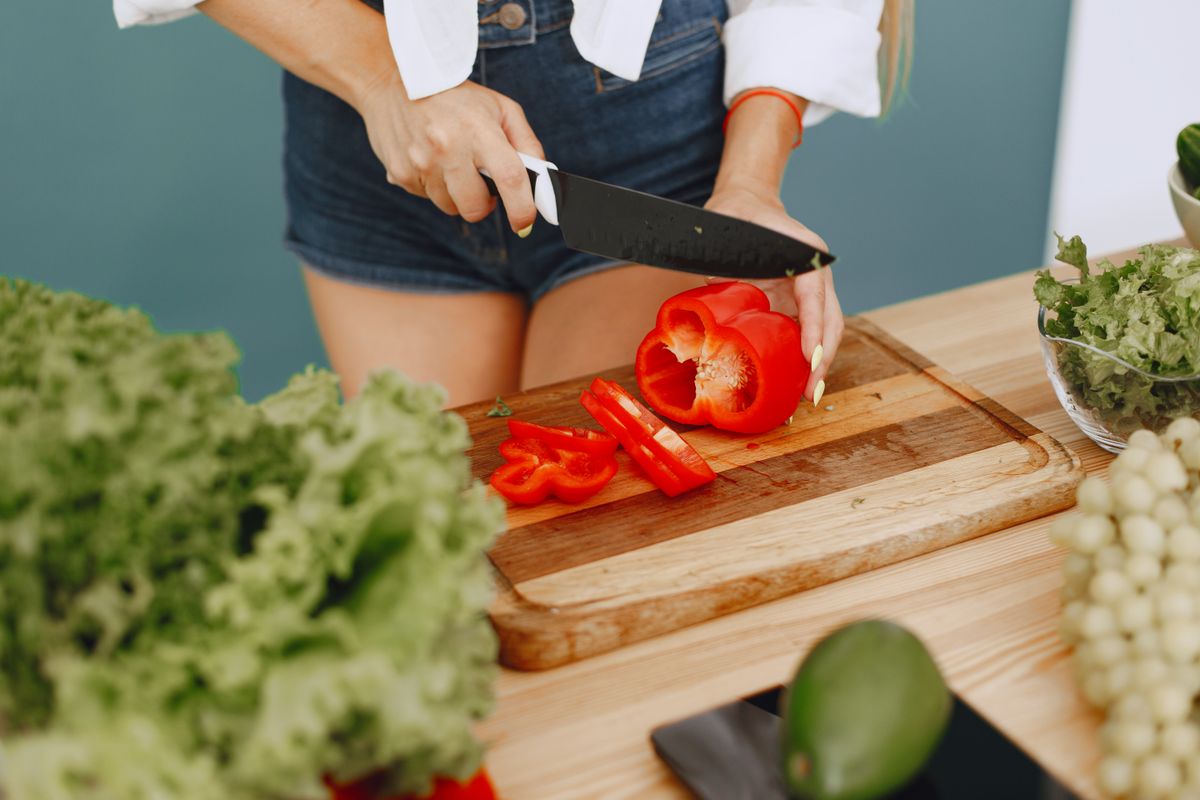
Photo by Gustavo Fring on Pexels
- Mechanical lid locks and full-perimeter rubber bases prevent slippage injuries during heavy pressing.
- Grade 420 stainless steel blades resist moisture and acid corrosion while maintaining razor-sharp edges.
- Never push trapped food debris out of dicing grids using bare fingers—always utilize the dedicated cleaning claw or brush tool.
- Top-rack dishwasher washing preserves food-grade ABS plastic housing and prevents thermal warping caused by heating elements.
- Utilize pronged safety hand guards whenever slicing produce on mandoline attachments down to the final stub.
Material & Durability Specifications to Look For
| Component | Target Material Specification | Durability / Safety Function |
| --- | --- | --- |
| Cutting Blades | 420 Martensitic Stainless Steel | Resists pitting, rusting, and dulling from acidic tomato and onion juices. |
| Main Body & Frame | Heavy-Duty BPA-Free ABS Plastic | Resists high-impact cracking under heavy hand pressure; food-safe. |
| Container Catch Tray | Shatter-Resistant Polycarbonate / ABS | Holds large volumes of diced produce cleanly without flexing or bowing. |
| Base Grip Feet | Thermoplastic Rubber (TPR) | Grips damp stone, quartz, or wood counters to eliminate lateral sliding. |
| Dishwasher Rating | Top-Rack Safe (Up to 150°F / 65°C) | Prevents thermal warping caused by lower-rack dishwasher heating elements. |
Review these precise material grade standards when inspecting product details to ensure your chopper withstands daily wear, heavy pressure, and frequent washing cycles.
4 Critical Mistakes That Cause Chopper Blade Rust and Fingertip Injuries
Even high-quality vegetable choppers can suffer performance degradation or cause accidents if operated or cleaned improperly. Avoid these four common hazards.
Frequently Asked Questions About Chopper Safety and Care
Get rapid, expert answers to the most crucial maintenance and operational safety questions.
Continue Mastering Kitchen Safety & Prep
Deepen your culinary equipment knowledge with these recommended safety and maintenance guides:
- Vegetable Chopper Safety 101: How to Use Hand Guards and Safety Locks — Master proper hand positioning and locking pin engagement for injury-free mandoline slicing.
- How to Clean a Vegetable Chopper Fast: Dishwasher & Hand Washing Guide — Step-by-step care techniques to keep plastic housings crystal clear and grid teeth free of stubborn vegetable residue.
- How to Keep Chopper Blades Sharp and Rust-Free for Years — Learn storage protocols and drying techniques that preserve 420 stainless steel razor edges through thousands of prep cycles.
- Mandoline Slicer vs. Dicing Chopper for Weeknight Dinners — Compare slicing speed, safety profiles, and cleaning requirements to find the ideal prep companion for your cooking style.
Immediate Action Plan for Safe Chopper Setup
Your decision: Select a 15-in-1 vegetable chopper constructed with BPA-free food-grade ABS, rustproof 420 stainless steel blades, integrated lid locks, and custom grid-cleaning tools.
Do this next: Inspect your current chopper for loose blade housings or missing hand guards. Upgrade to a safety-certified 15-in-1 set if your current tool lacks locking latches or non-skid bases.
Related resource: Download our printable Prep Safety & Blade Maintenance Cheat Sheet for quick kitchen reference.Upgrade to the 15-in-1 Vegetable Chopper Set with Safety Lock & Cleaning Kit at https://mandolinechopper.com
Take these simple steps to upgrade your kitchen safety today.
Cover photo by Polina ⠀ on Pexels.