Vegetable Chopper Countertop Safety FAQ: Locks, Base Grip, and Catch Trays Explored
Imagine pressing down firmly on a dense sweet potato only for the dicing grid to pop loose or the container to skid across your slick granite counter. Essential safety features—mechanical frame locks, high-friction TPE base feet, and interlocking catch trays—prevent this by keeping the tool anchored and blades locked during heavy chopping.
Evaluating Stability Features: Choosing the Safe Option for Your Prep Style
To prevent prep injuries, choose a vegetable chopper with high-friction TPE/silicone base pads, a mechanical blade frame lock, and a snap-latch catch container.
Best choice for
- Locking Catch Tray + 4-Corner Molded TPE Rubber Feet — Prevents lateral shift under heavy vertical downward pressure and eliminates frame twist.
- 15-in-1 All-In-One Box Chopper with Safety Lock Lid — Encloses sharp blade edges inside the container frame while storing chopped produce securely without exposed edges.
- Choppers with smooth untextured hard plastic feet on slick quartz counters
- Push-top dicers without a mechanical latch to secure the blade frame during heavy pressing
- Suction-cup base mandoline slicer — Provides extreme single-spot adhesion on smooth marble or quartz, though less portable across wooden cutting boards.
Material Science: TPE Base Grips vs. Bare ABS Plastic
Countertop stability relies heavily on the coefficient of friction between the chopper's feet and your surface material ( polished quartz, granite, laminate, or butcher block). Bare ABS plastic feet possess a low friction coefficient ($µ \approx 0.2$), meaning any slight angle in your downward stroke causes the unit to slide. Thermoplastic Elastomer (TPE) or high-grade silicone base pads elevate this coefficient to $µ \approx 0.75-0.9$ when dry, gripping the surface securely under downward load.
Expert Safety Advice: Managing Downward Pressure and Surface Physics

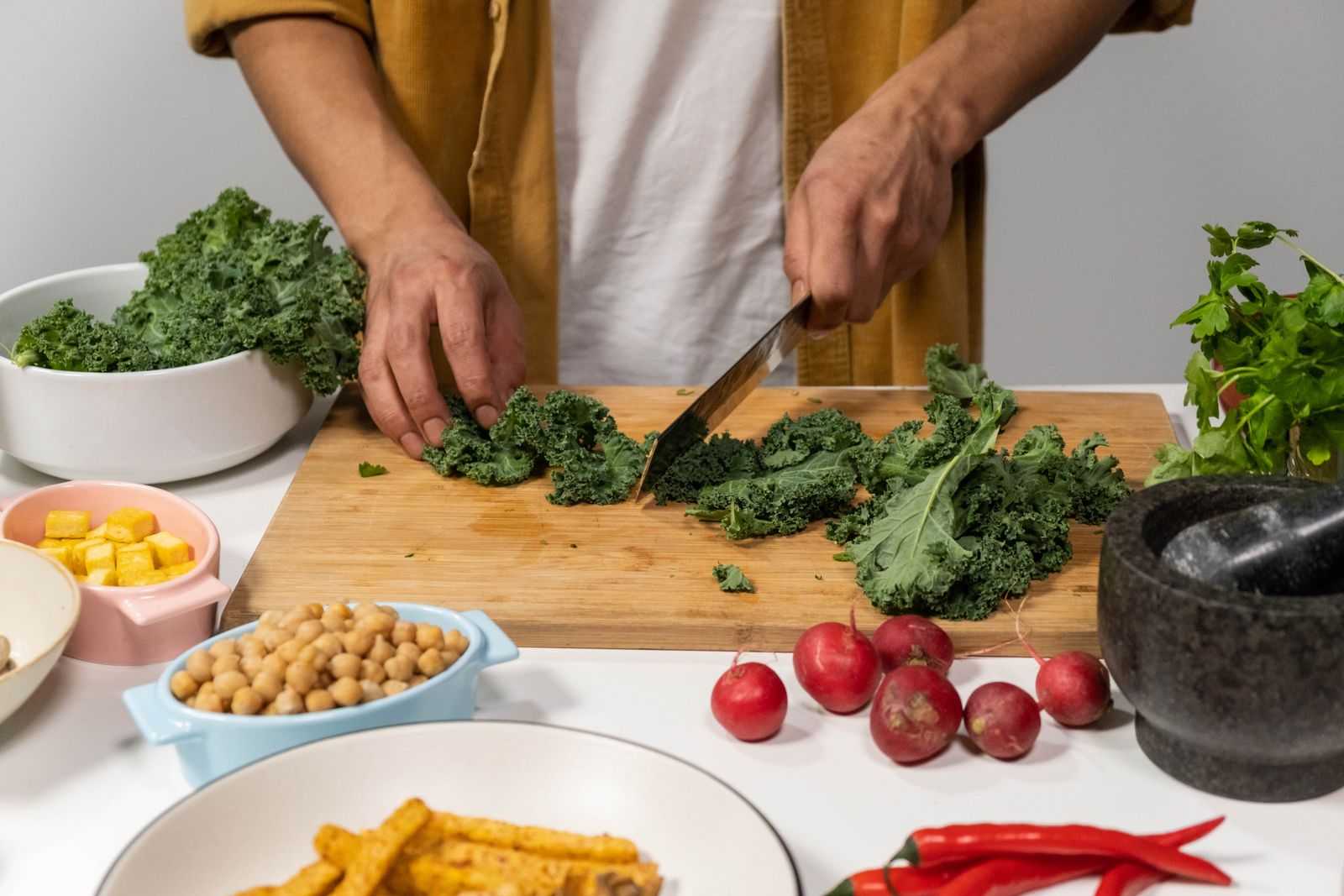
Photo by Andrea Piacquadio on Pexels
The Science of Countertop Friction
When dicing firm produce like butternut squash or raw potatoes, home cooks routinely exert up to 25 pounds of downward force. If your countertop surface has micro-layers of moisture, vegetable juice, or olive oil mist, the grip coefficient of rubberized feet drops by up to 60%.
Key Operational Rule: Always wipe down both your kitchen countertop and the rubberized base pads of your chopper with a bone-dry microfiber cloth immediately before beginning prep.
Hand Positioning and Kinetic Energy Distribution
To maximize stability and maintain full mechanical control:
Troubleshooting Countertop Instability and Tray Dislodgement
| Symptom / Problem | Root Cause | Immediate Safety Fix |
| --- | --- | --- |
| Chopper skids laterally on quartz/granite during downward press | Moisture, oil, or dust film underneath TPE base pads reducing surface friction | Wipe countertop and rubber feet with a dry microfiber cloth and mild rubbing alcohol to restore micro-tackiness. |
| Blade frame pops upward or unlatches while dicing dense produce | Mechanical lock tab not fully engaged or food debris jammed in housing track slots | Clear food scraps from slot grooves using the cleaning brush and press insert until an audible double-click confirms engagement. |
| Catch tray flexes or pops off main housing during heavy push | Interlocking lip-and-groove track misaligned or catch tray overfilled beyond capacity | Empty container contents to prevent upward pressure on the lid frame and re-seat catch tray along rail guide until flush. |
| Push lid binds or resists full downward stroke | Oversized produce chunk exceeds grid perimeter, placing uneven torque on hinges | Pre-cut produce into smaller quarter-inch flat slices matching the blade grid area before pushing. |
If your chopper is sliding, unlatching, or jamming during routine meal prep, consult this diagnostic guide to resolve the mechanical root cause immediately.
Featured Safe Meal Prep Solution: 15-in-1 Veggie Chopper Set
Upgrade your kitchen setup with a high-efficiency tool engineered around user safety, countertop stability, and multi-functional versatility.
Core Safety Mechanisms: Quick Summary
Keep these key mechanical and operational safety principles in mind for safe, efficient meal prep.
Pre-Prep Chopper Safety Inspection Checklist
- Verify that countertop surface is completely dry and grease-free.
- Inspect all 4 non-slip base rubber feet for cleanliness and wear.
- Align blade insert with top frame and press until the locking tab audibly clicks.
- Confirm catch tray container is seated securely within side track grooves.
- Check that safety hand guard is engaged for any mandoline sliding tasks.
- Ensure downward push lid hinges operate smoothly without binding.
Frequent Safety Errors That Lead to Countertop Slippage and Injury
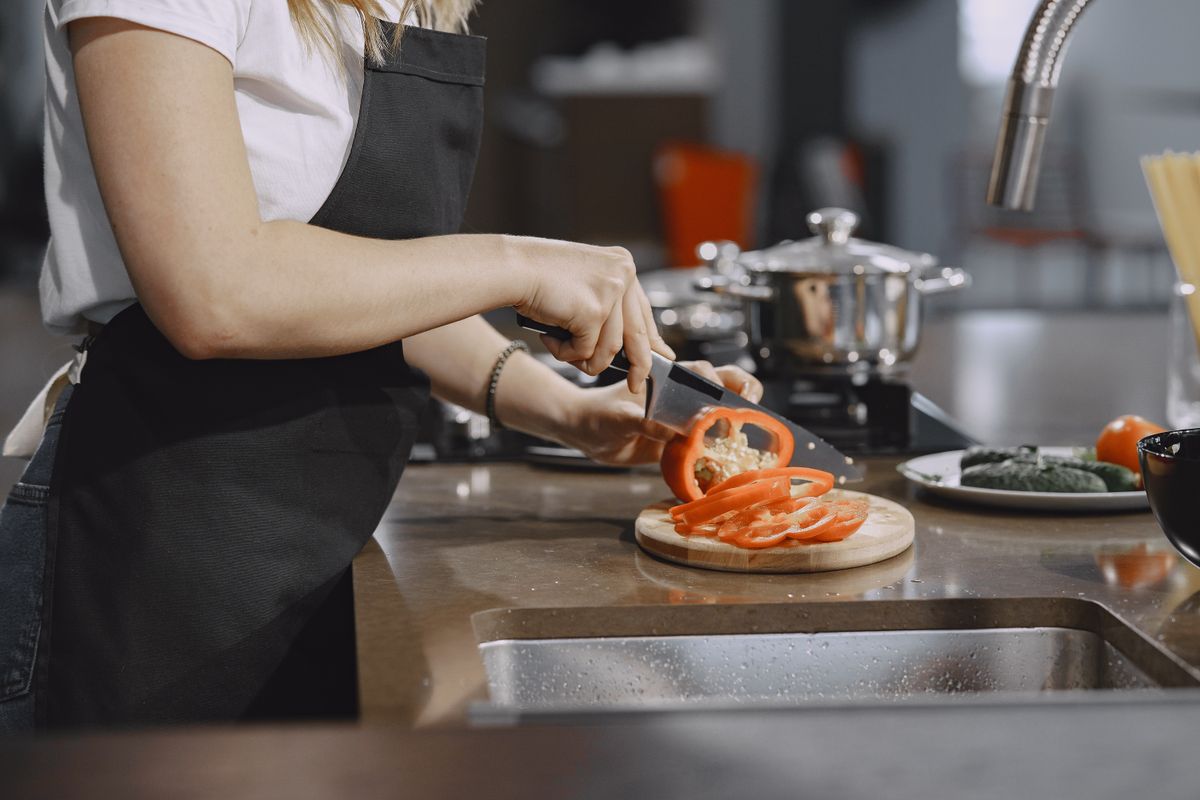
Photo by Gustavo Fring on Pexels
Avoid these common meal prep mistakes to protect your hands and extend the lifespan of your chopper.
Vegetable Chopper Countertop Safety FAQ
Clear answers to essential maintenance, stability, and blade safety questions.
Your Actionable Next Steps for Safe Vegetable Prep
Your decision: Inspect your chopper for integrated blade locks, non-slip TPE base pads, and interlocking catch tray latches before your next prep session.
Do this next: Wipe down your countertop with a dry microfiber cloth to eliminate moisture before chopping dense vegetables.
Related resource: Explore our comprehensive guide on blade maintenance and safe swapping.
Upgrade to our 15-in-1 Vegetable Chopper Set featuring food-grade ABS construction, integrated safety locks, and non-slip rubberized feet.
Take action today to simplify your kitchen prep while maintaining strict countertop safety.
Explore Related Kitchen Safety Guides
Provide internal links to relevant cluster and pillar safety content.
Cover photo by cottonbro studio on Pexels.