Mandoline Finger Guard Slipping? How to Stop Produce Slippage
Is your mandoline finger guard constantly popping off vegetables while slicing? Produce slippage happens when the vegetable lacks a flat starter face, guard prongs are inserted too shallowly, or high blade drag forces food off the pins. To fix it immediately, cut a clean 90-degree flat reference surface on your vegetable, press the prongs fully into solid flesh until flush, and slide straight down the runway without rocking or twisting.
Diagnostic Flowchart: Why Is Your Produce Slipping?
- Is the bottom anchor surface of your vegetable round, tapered, or uneven? → Yes: Slice a 90-degree flat starter face on the food base before driving guard prongs in.. No: Proceed to prong insertion depth check..
- Are the safety guard prongs penetrating less than 1/4 inch into the food? → Yes: Press the guard plunger firmly until steel prongs embed deeply into solid flesh.. No: Proceed to blade resistance check..
- Is the vegetable crushing, tearing, or releasing water when it hits the blade edge? → Yes: Wipe blade surface clean of starch build-up or replace dull blade inserts.. No: Maintain straight-line downward pressure without twisting or rocking sideways..
Produce Slippage Failure Modes & Corrective Actions
| Failure Mode / Symptom | Primary Root Cause | Prong Mounting Adjustment | Corrective Prep Fix |
| --- | --- | --- | --- |
| Hard Root Veggies (Potatoes/Carrots) Popping Off | High food density creates resistance that deflects shallow prongs during slicing strokes. | Plunge steel prongs 1/2-inch deep into dense center flesh using a firm palm press. | Cut a flat 90-degree anchor plane on the vegetable base before embedding prongs. |
| Layered Vegetables (Onions) Tearing & Sliding | Prongs only engage outer papery or loose layers, allowing inner core to shift. | Drive prongs straight through multiple layers until the guard shield touches flesh. | Peel outer skin completely, halve the onion, and mount onto the flat cut surface. |
| High-Moisture Produce (Tomatoes/Cucumbers) Squishing | Excess surface juice creates hydroplaning between guard face and produce flesh. | Apply light, steady guide pressure; let razor-sharp blade edges do the cutting work. | Puncture tough outer skin with a small starter nick right at the leading blade edge. |
| Small Items (Radishes/Garlic) Tilting & Shifting | Produce diameter is smaller than prong spread, preventing multi-point engagement. | Center single item directly over middle prong group or press against recessed pocket. | Use a recessed pocket guard attachment or food chute rather than wide single prongs. |
Identify your specific vegetable failure mode below to apply the exact mechanical adjustment and preparation cut required for zero slippage.
Pro-Chef Anchor Technique: The 90-Degree Flat-Cut Rule
Never attempt to drive mandoline guard prongs directly into a curved vegetable skin or rounded potato top. Curved surfaces cause prongs to enter at angled trajectories, creating a pivot point that pops loose the moment food strikes blade resistance.
The Solution: Always trim a 1/4-inch slice off the top of your vegetable to create a flat, 90-degree reference surface. Drive the steel guard prongs perpendicularly into this flat cut plane. This ensures equal tension across all prongs, locking the produce flush against the guard body for smooth, uninterrupted gliding.
Decision Tree: Hard vs. Soft Produce Guard Anchoring
- Are you slicing a hard root vegetable (potato, carrot, butternut squash) or a soft/layered item (onion, cucumber, tomato)? → Yes: Hard Root Veggie: Trim flat end -> Place on firm cutting board -> Align guard prongs perpendicularly -> Push down with full palm force until guard body seats flush -> Slice with continuous forward momentum.. No: Soft / Layered Item: Peel loose layers -> Slice flat base -> Embed prongs gently through core layers -> Keep guard flat against runway -> Apply light downward pressure while guiding forward.
Recommended Gear for Secure Slicing & Dicing
Tired of flimsy hand guards and slippery counter setups? The right tool makes all the difference when preparing quick weeknight meals.
Essential Rules for Zero Guard Slippage
- Always create a flat starter cut on produce before mounting onto hand guard prongs.
- Embed prongs fully into solid vegetable flesh until the guard dome rests flush against food.
- Slice in a straight, continuous downward motion—never rock, angle, or twist the guard.
- Keep mandoline bases locked onto non-slip containers or dry, stable countertops.
- Stop slicing on the mandoline when produce thickness drops below guard prong depth.
5 Steps to Lock Produce Securely onto Mandoline Prongs
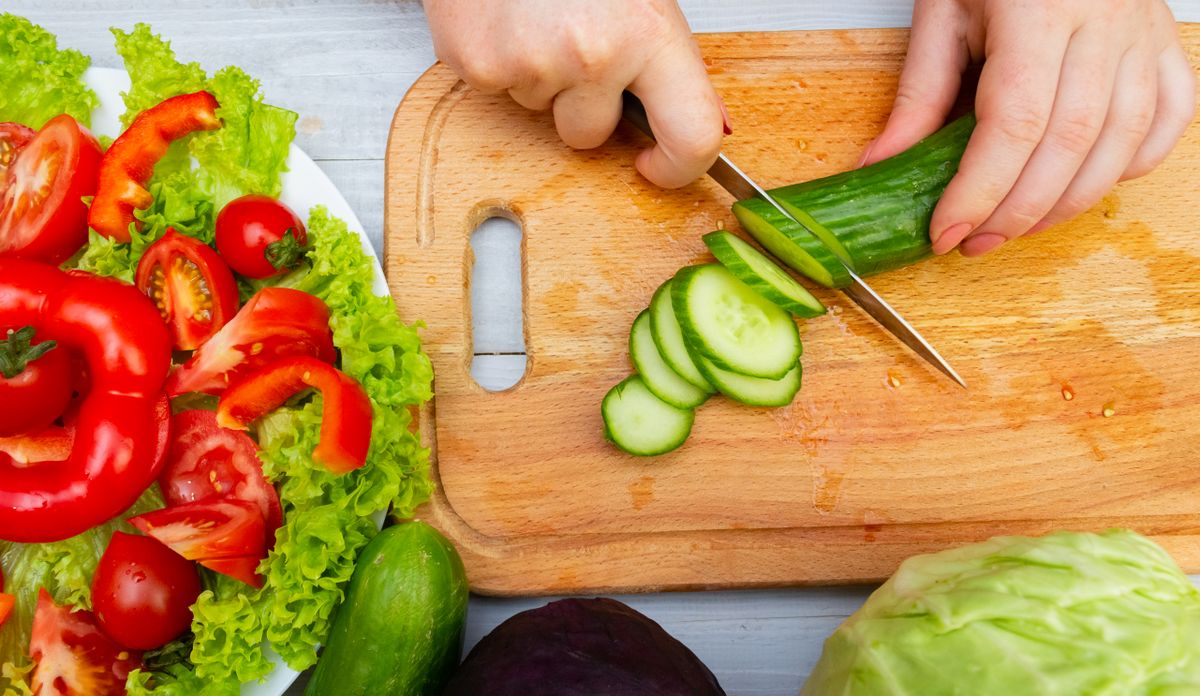
Photo by breakermaximus on Pexels
Follow this chronological mounting procedure every time you attach vegetables to your safety hand guard.
5 Critical Mistakes That Force Produce Off the Guard
Avoid these frequent mechanical and prep errors that jeopardize finger safety during slicing:
Frequently Asked Questions About Mandoline Guard Slippage
Find clear answers to common safety and troubleshooting questions below:
Immediate Slicing Safety Adjustments to Make Now
Your decision: Determine whether your guard slippage is caused by improper vegetable prep cut, shallow prong insertion, or excessive blade drag.
Do this next: Square off your vegetable with a clean flat cut, drive the guard prongs in until the guard body rests against the food, and slice in a continuous straight stroke.
- Read next: How to Use a Mandoline Hand Guard Properly: Step-by-Step Finger Protection
- Read next: Mandoline Hand Guard vs. Cut-Resistant Gloves: Which Protects Fingers Better?
Upgrade to the 15-in-1 Vegetable Chopper Set featuring a non-slip catch container base and heavy-duty steel prong hand guard.
Take these concrete steps right now to ensure safe, slip-free vegetable prep in your kitchen.