
Vegetable Chopper Sanitization & Odor Removal FAQ: How to Keep Blades Fresh
You just finished dicing three raw onions and four cloves of garlic for salsa, leaving strong sulfur oils trapped in the grid teeth and plastic container. To sanitize your vegetable chopper safely, spray the stainless steel grid blades with 70% isopropyl alcohol or 3% hydrogen peroxide, let it sit for 5 minutes, and rinse under cool water. To remove lingering smells from the ABS catch tray, coat it in a baking soda paste overnight. Never use chlorine bleach, which permanently pits steel blades.
Choosing the Right Sanitizing Agent: Stainless Steel vs. ABS Plastic
Sanitizing multi-blade vegetable choppers requires balancing germ elimination with material safety. Stainless steel grid blades resist rust only when kept away from harsh chlorides, while ABS plastic catch trays require non-abrasive odor absorbers.
Best choice for
- 70% Isopropyl Alcohol or 3% Hydrogen Peroxide Spray — Kills surface bacteria rapidly and evaporates quickly without promoting rust on steel edges.
- Baking Soda & Warm Water Paste — Absorbs oil-soluble sulfur compounds without scratching BPA-free ABS plastic.
- Soaking stainless steel blades in concentrated chlorine bleach or vinegar for longer than 15 minutes.
- Placing push-plates or main containers on the bottom rack of a high-heat dishwasher.
- Food-Grade Mineral Oil Wipe — Dissolves beta-carotene pigments (carrot stains) on white plastic frames without chemical degradation.
Sanitization Agent vs. Blade & Plastic Safety Guide

| Cleaning Agent | Stainless Steel Safety | ABS Plastic Safety | Max Contact Time | Primary Application |
| --- | --- | --- | --- | --- |
| 3% Hydrogen Peroxide | Safe (High) | Safe (High) | 10 Minutes | Sanitizing dicing grid blades & push-teeth |
| 70% Isopropyl Alcohol | Safe (High) | Safe (High) | 5 Minutes (Air Dry) | Rapid sanitization & moisture evaporation |
| Baking Soda Paste | Safe (Moderate) | Safe (High) | Overnight (Plastic) | Eliminating stubborn onion/garlic odors |
| Distilled White Vinegar | Caution (Dulling Risk) | Safe (High) | 10 Minutes Max | Descaling hard water spots on frame |
| Chlorine Bleach | Unsafe (Corrodes Steel) | Unsafe (Degrades ABS) | 0 Minutes (Avoid) | DO NOT USE - Causes metal pitting |
Review this compatibility matrix before applying household cleaners to your veggie chopper setup.
Pro Tip: Eliminating Onion & Garlic Odors Without Dull Blades
Raw alliums like onions and garlic contain hydrophobic organosulfur compounds that cling stubbornly to plastic pores. Many home cooks make the mistake of soaking the entire chopper assembly in lemon juice or vinegar. While acid breaks down odors, prolonged exposure dulls the micro-bevel on stainless steel dicing grids.
Instead, isolate the plastic catch tray and apply a 3:1 baking soda to warm water paste directly to the inside surfaces. Let it sit for 2 to 4 hours. The alkaline baking soda neutralizes acidic odor molecules without scratching the clear ABS plastic or exposing your stainless steel blades to prolonged moisture.
Vegetable Chopper Sanitization Troubleshooting Matrix
| Symptom | Root Cause | Safe Solution | Prevention Strategy |
| --- | --- | --- | --- |
| Yellow or orange plastic discoloration | Beta-carotene pigments from carrots binding to ABS plastic | Rub a few drops of food-grade mineral oil over the stain with a paper towel, then wash with dish soap. | Rinse the container with cool water immediately after chopping deeply pigmented root vegetables. |
| Microscopic rust specks on grid welds | Trapped water during prolonged flat drying or exposure to chlorine | Scrub gently with a baking soda slurry using a soft toothbrush; spritz with 70% alcohol to dry. | Store blades vertically on a dish rack and apply a light mineral oil mist prior to long-term storage. |
| Sharp garlic or onion smell lingers after washing | Volatile organosulfur oils trapped inside plastic pores | Coat the interior catch tray with a baking soda slurry and let sit for 4 to 12 hours before rinsing. | Avoid leaving chopped alliums sitting in the catch tray for longer than 30 minutes post-prep. |
| Squishy tomato skin trapped in 6mm grid | Pressing soft produce without cleaning grid teeth immediately | Use the included cleaning claw or brush from the back side of the frame under running warm water. | Chop soft produce with the skin side facing down toward the razor grid. |
Diagnose and solve common cleaning issues before they cause permanent damage to your chopper.
Key Takeaways for Long-Lasting Blade Freshness
- Rinse blades under cool water immediately after dicing to prevent starch and vegetable sugars from drying in grid corners.
- Sanitize metal dicing grids with 70% isopropyl alcohol or 3% hydrogen peroxide spray instead of bleach or concentrated vinegar.
- Neutralize strong onion and garlic odors in plastic containers using a baking soda paste soak.
- Wash components on the top rack of the dishwasher only; high heat near bottom heating elements warps ABS plastic.
- Dry stainless steel blade inserts vertically to prevent moisture buildup in metal blade frames.
Recommended Sanitization & Maintenance Set
When upgrading your kitchen arsenal, choose a chopper designed for easy cleaning and long-term durability.
Master Vegetable Chopper Deep Cleaning Checklist
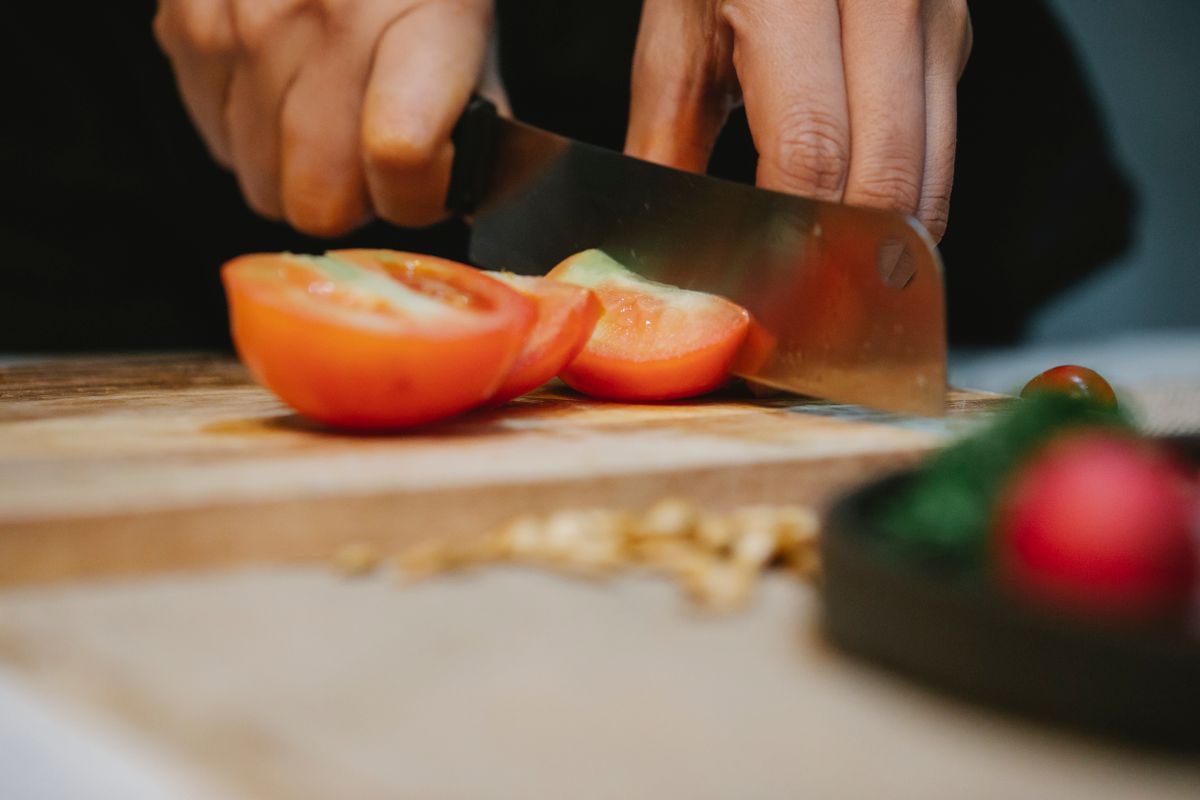
Photo by Klaus Nielsen on Pexels
- Disassemble all 15 components, separating stainless steel grids, push-plate, and ABS container.
- Use the specialized cleaning brush/claw to dislodge trapped onion skins from grid intersections.
- Rinse immediately with cool water to prevent starch and vegetable juices from drying.
- Spray stainless steel blades with 70% isopropyl alcohol or 3% hydrogen peroxide; allow 5 minutes contact time.
- Coat plastic catch tray with a baking soda and warm water paste if onion or garlic odor is present; let sit for 30 minutes.
- Wash all components with warm, mild dish soap using a non-abrasive microfiber cloth.
- Rinse thoroughly under running water to remove all sanitizing residues.
- Shake off excess water and place grid blades vertically in a dish rack to dry completely before storage.
5 Dangerous Sanitization Mistakes That Destroy Choppers
Avoid these common cleaning missteps to keep your prep tool in peak condition:
Vegetable Chopper Sanitization & Odor Removal FAQ
Here are expert answers to common questions about vegetable chopper hygiene and care.
Your Immediate Post-Prep Cleaning Action Plan
Your decision: Decide on your primary sanitizing strategy based on whether you are fighting bacterial contamination from fresh produce or lingering onion odors.
Do this next: Rinse chopper grids immediately after use with cold water, spray with 70% isopropyl alcohol for quick sanitization, and allow blades to air-dry completely on a vertical rack.
- Read next: Is Your Veggie Chopper Dishwasher Safe? Top-Rack Rules for Plastic & Stainless Steel
- Read next: How to Prevent Rust on Stainless Steel Vegetable Chopper Blades
Upgrade to the Vegetable Chopper Set of 15 equipped with built-in cleaning claw attachments and rustproof stainless steel dicing grids.
Ready to streamline your meal prep and keep your kitchen tools spotless? Follow this quick action plan after your next cooking session.